
AGORA 2026: From a summer school to an international scientific community
When we organised the first AGORA Summer School, our main ambition was quite simple: to create a place where young researchers could learn advanced techniques for atmospheric observation, gain practical experience with scientific instrumentation and meet colleagues working in the same field. After three editions, I feel that AGORA is becoming something more.
The third edition of the AGORA International Doctoral Summer School was held in Granada in June 2026, bringing together 24 early-career researchers from 15 countries. For me, one of the most rewarding aspects of this edition was seeing how the school has progressively developed an identity of its own: an international space where scientific training, hands-on experience and, increasingly, the creation of new research connections come together.
The objective of AGORA is to provide advanced training in atmospheric characterisation through complementary observational approaches, combining in-situ measurements, active and passive remote sensing, advanced instrumentation and data analysis. But we have always wanted the school to go beyond a traditional series of lectures. We want participants to understand how different techniques can complement each other, to experience the instruments themselves and, perhaps most importantly, to learn from researchers with different scientific backgrounds and from each other.
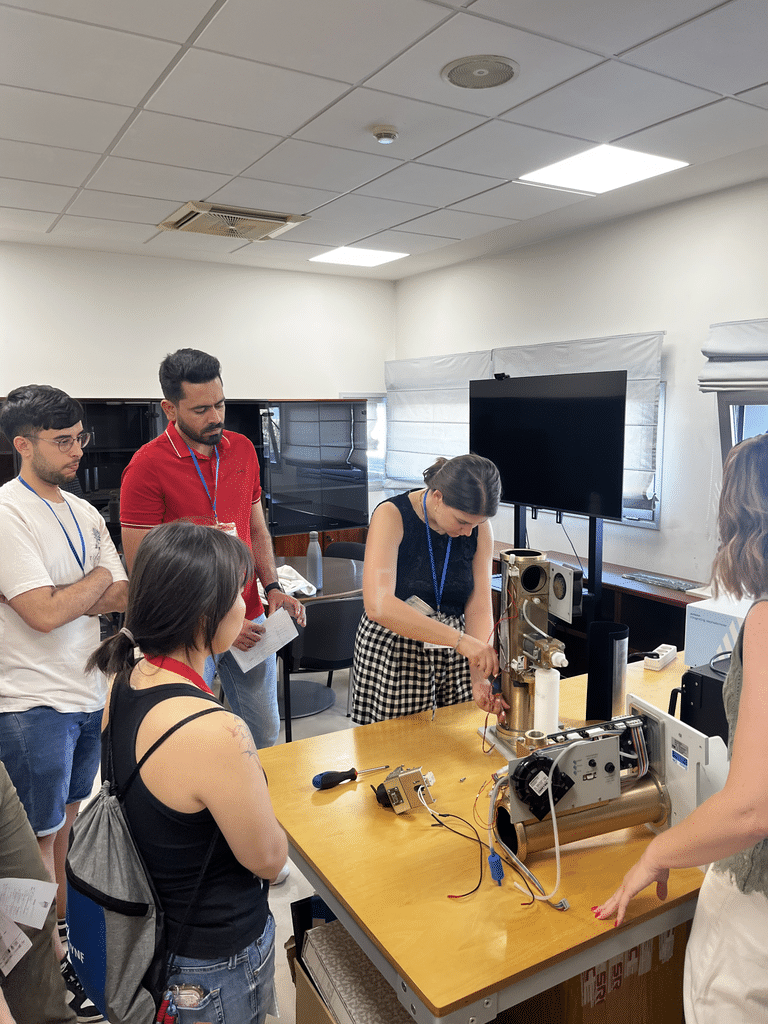
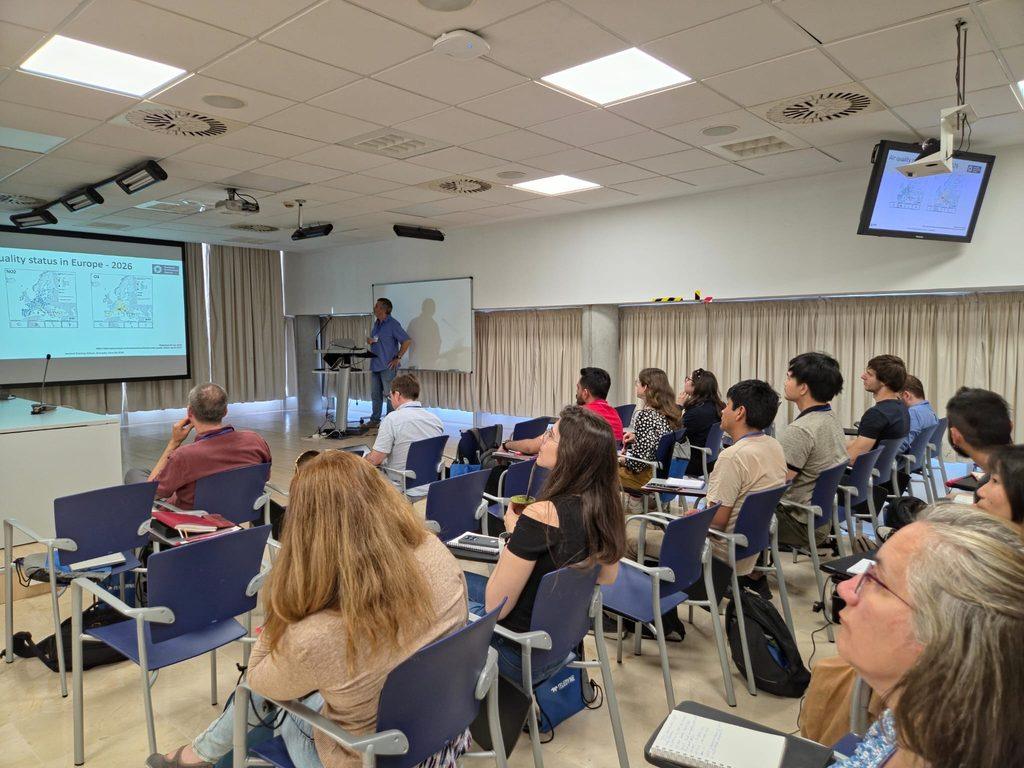
This year, we designed the programme around that philosophy. The school was organised in three stages: an online introductory phase, an intensive face-to-face week in Granada and a final period devoted to collaborative research projects. During the face-to-face week, participants combined lectures from international experts with hands-on activities involving atmospheric instrumentation and measurement techniques. The programme covered a broader range of topics than in previous editions, including aerosol optical and microphysical properties, lidar and photometry, in situ methods, spectroscopy, bioaerosols, radar–lidar synergies, ceilometers and fluorescence-based techniques.
A visit to the Sierra Nevada atmospheric station provided an opportunity to connect the concepts discussed during the course with observations in a real high-mountain environment.
This diversification of the scientific programme reflects the evolution of AGORA itself. The first edition was organised within the framework of Atmo-ACCESS, while the second was organised entirely by the University of Granada. With the third edition, we wanted to take another step forward, both scientifically and internationally.
The international dimension has been particularly important to me. We received 38 applications for 24 available places, and the selected participants represented 15 countries. Previous editions had already included researchers from outside Europe, but this year we were especially pleased to receive a strong response from South America. This is personally meaningful to me because of my long-standing scientific and personal connection with the region. Seeing researchers from Europe, South America, Asia and North America working together in Granada made me feel that AGORA is beginning to fulfil a role that goes beyond its original European context.
The COST Action EARLICOST and AERIS, a Marie Skłodowska-Curie Actions Staff Exchanges project, were fundamental in making this evolution possible. Their contribution went far beyond financial support. They helped us to broaden our perspective when defining the scientific content of the school, strengthened its international dimension and helped connect AGORA with researchers and institutions both within and beyond Europe. Together with the support of the University of Granada and our sponsors, they provided the main financial support for this edition. More importantly, they helped create an environment in which international exchange was not an additional element of the school, but one of its central features.
Perhaps the most important outcomes of AGORA, however, cannot be measured in the number of lectures or certificates. They can be seen in the relationships that develop between people.
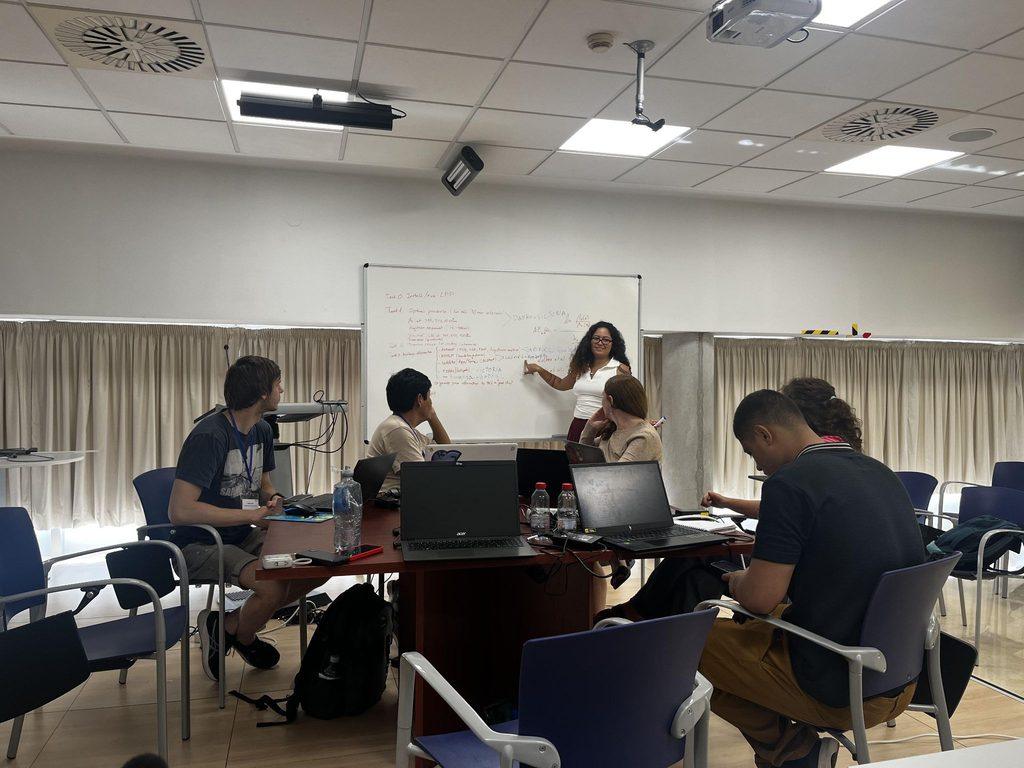
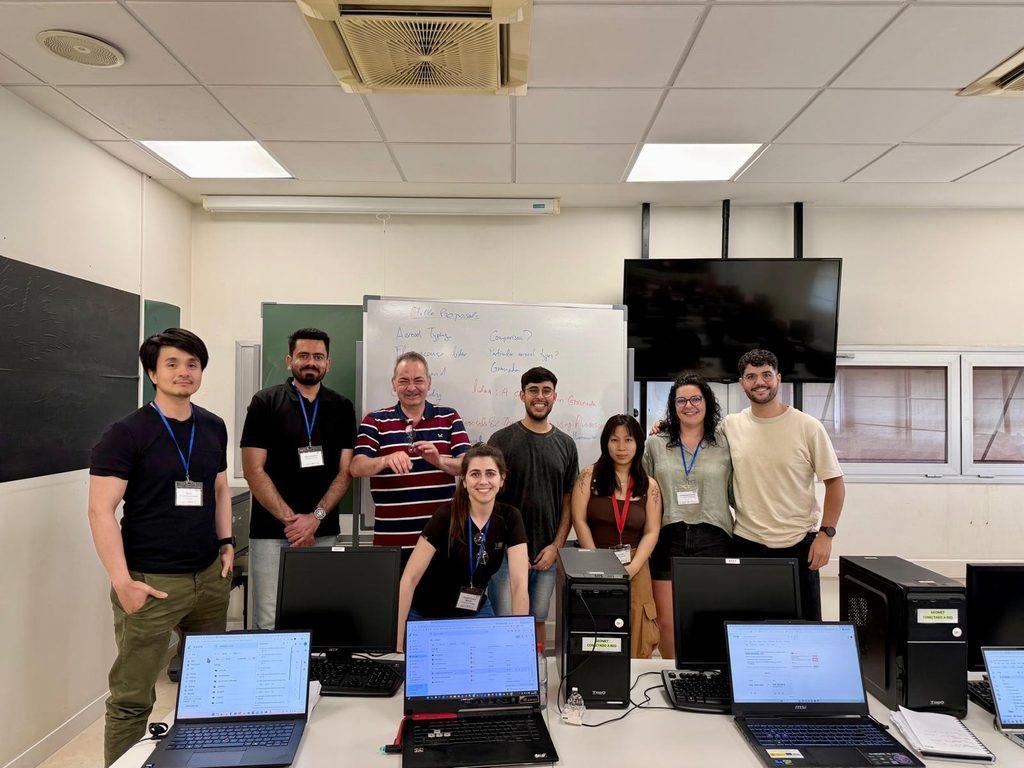
At the beginning of the school, participants from different countries naturally tended to interact within smaller groups. As the programme progressed, these interactions became increasingly intense, particularly during the collaborative research projects, where participants had to combine their different scientific experiences and approaches to address a common problem. The interaction also extended between students and lecturers. Some possibilities for future PhD co-supervision and short research stays have already emerged, while some participants have continued communicating after the school and are considering collaborative work related to one of their doctoral theses.
For me, this is one of the clearest signs that AGORA is achieving something beyond its formal objectives. A successful training school should not only leave participants with new knowledge; it should also leave them with new questions, new colleagues and new possibilities for collaboration.
Organising AGORA has also been a learning experience for me. I have learned how to work with people from different cultural traditions and scientific backgrounds, but also how to communicate across different professional languages. Bringing together physics, biology, atmospheric science, education and administration requires moving between very different ways of thinking and working. I have also learned that a hybrid format, when carefully designed, can enhance rather than weaken the learning experience. Combining online activities with an intensive face-to-face week and subsequent collaborative work allowed the school to extend beyond the traditional classroom.
There have certainly been challenges behind the scenes. Coordinating several funding sources (including EARLICOST, AERIS, University of Granada resources and support from sponsors) with different administrative and reporting requirements has been demanding. But seeing the results makes the effort worthwhile.
Looking ahead, our ambition is for AGORA to become a reference training school in atmospheric observation at an international level, reaching well beyond Europe. I would particularly like to see it continue strengthening connections between Europe and South America while remaining open to researchers from other regions of the world.
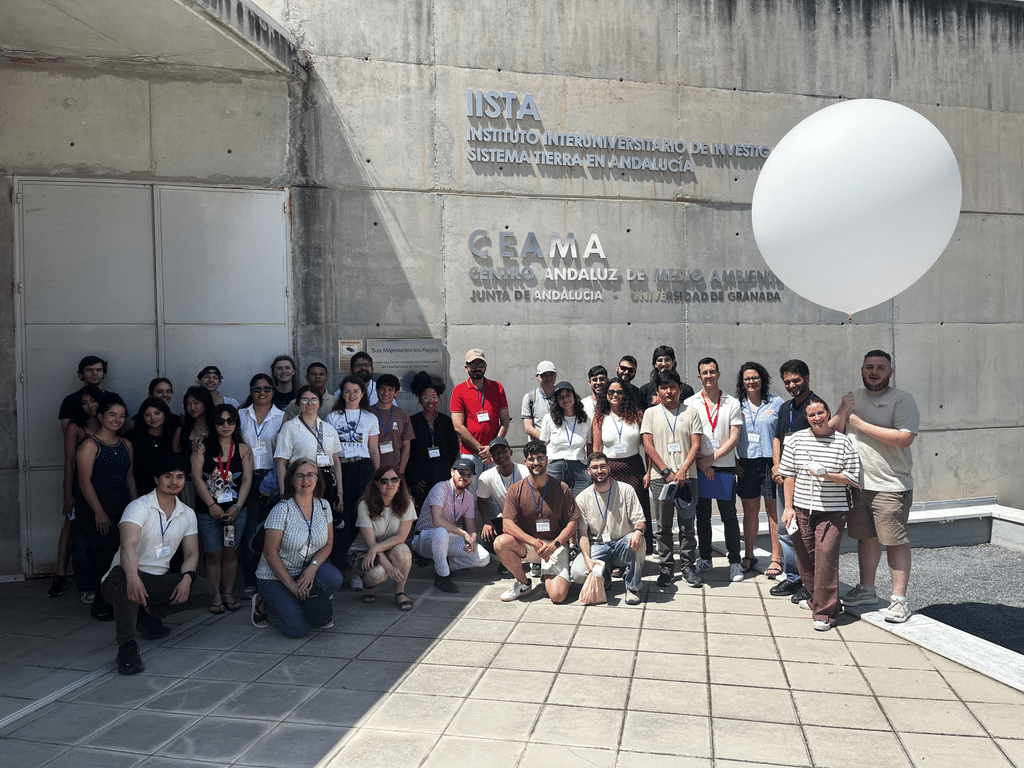
Ultimately, I hope that participants leave Granada with more than new scientific knowledge. I hope they leave with new collaborators, new ideas and the feeling that they are part of a wider international scientific community. If AGORA can continue to build those connections, I believe its most valuable contribution may be not only the training it provides, but the scientific community that grows around it.